

Cleaning or removing contaminated soil is a safety and compliance issue, not a routine excavation job.
This article will help you understand the process for contaminated soil removal.
We discuss the right approach to site remediation in NSW, including how to properly assess the soil and arrange licensed removal or treatment in compliance with NSW requirements.
What is contaminated soil?
Contaminated soil has potentially harmful substances that may impact people, buildings, groundwater, or the wider environment. It typically comes from prior land use, including fuel leaks, chemicals, asbestos fragments, landfill material, or old demolition debris.
- Common contaminants include hydrocarbons, asbestos, heavy metals, pesticides, and chemical residues.
- The soil may look normal, but still carry a risk.
- A proper assessment is needed before anyone decides how to handle it.
A clear definition helps keep the process simple. Contaminated soil management is the process of identifying, testing, removing, treating, transporting, and disposing of contaminated soil to make the site safe for its intended use.
How do you know if soil is contaminated?
You usually cannot confirm contamination by sight alone. A site history review, sampling, and laboratory testing are typically required before any removal plan is developed.
What are the common signs?
These signs can point to contamination, but they do not prove it on their own.
- Stained or discoloured soil.
- Strong fuel or chemical smells.
- Buried rubble, ash, drums, or old waste.
- Unexpected debris from demolition works.
- Unusual soil conditions near tanks, sheds, workshops, or former industrial areas.
What testing is usually needed?
Testing often starts with a site inspection and then moves to soil sampling. The results help identify what is in the soil, how deep it goes, and whether it must be removed, treated, or contained.
- Preliminary site investigation.
- Soil sampling and laboratory analysis.
- Risk review for people, machinery, drainage, and future site use.
- Disposal classification for landfill or treatment.
What should you do first?
Stop disturbing the area. Once contaminated soil is spread around, the job becomes larger, costlier, and harder to manage.
Step 1: Stop work and secure the site
- Keep machinery out of the affected area.
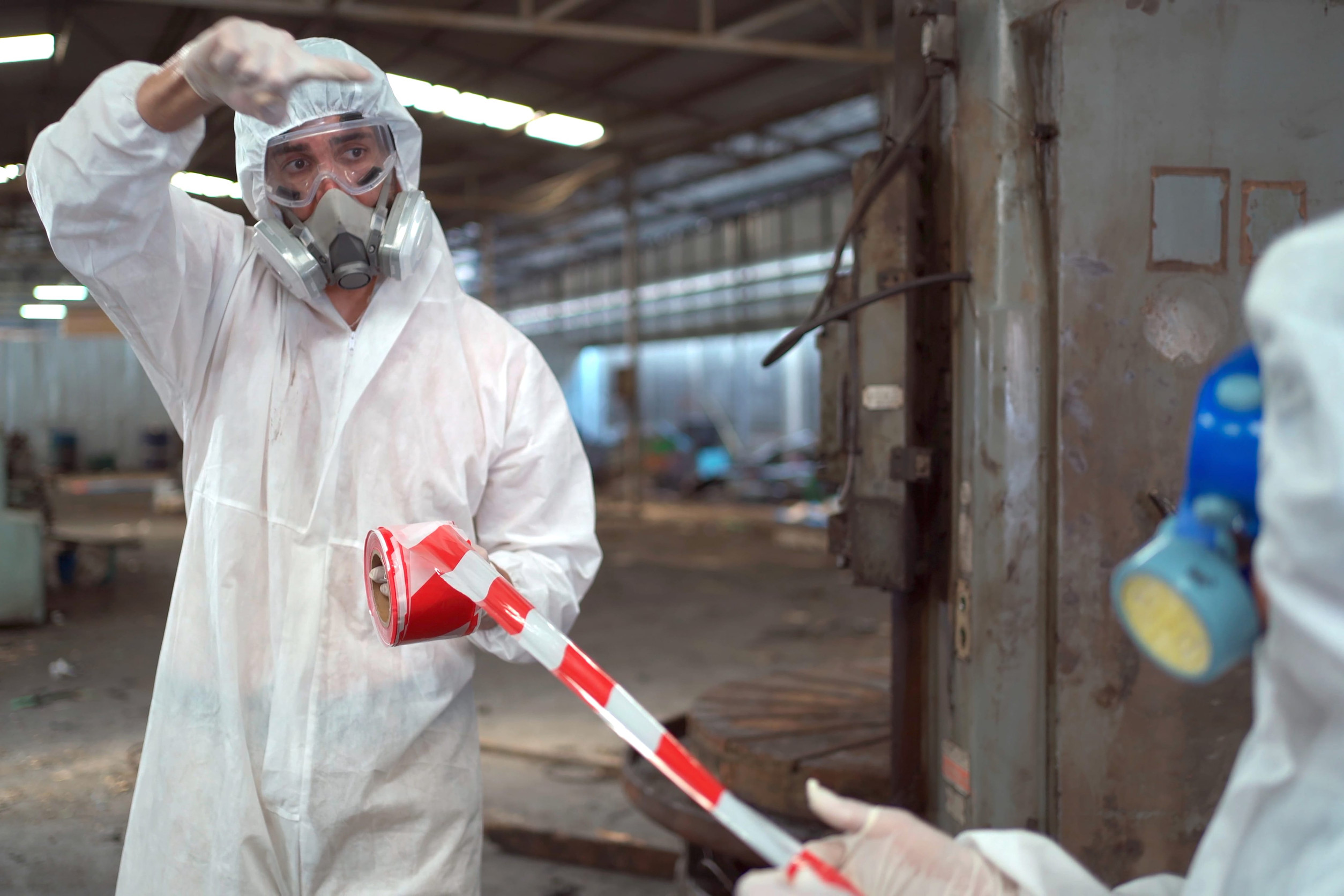
- Put up fencing and warning signs to ensure access is limited to essential workers.
- Avoid moving the soil.
- Protect drains, waterways, and nearby ground.
Step 2: Arrange proper assessment
A qualified assessment should confirm the type, extent, and likely source of contamination:
- Check the site history.
- A site inspection to test the soil.
- Map the affected area.
- Identify any public health or environmental risk.
Step 3: Confirm the disposal or treatment plan
Once the contamination is understood, the next step is to decide whether the soil should be excavated, treated on site, removed to a licensed facility, or managed in place.
- Excavation for smaller or shallow hotspots.
- On-site treatment for certain contaminants.
- Licensed transport and disposal where required.
- Validation testing after the work is complete.
How is contaminated soil removed?
The method to be utilised depends on the type of contamination, the volume, the depth, and what the site will be used for next.
Excavation and segregation
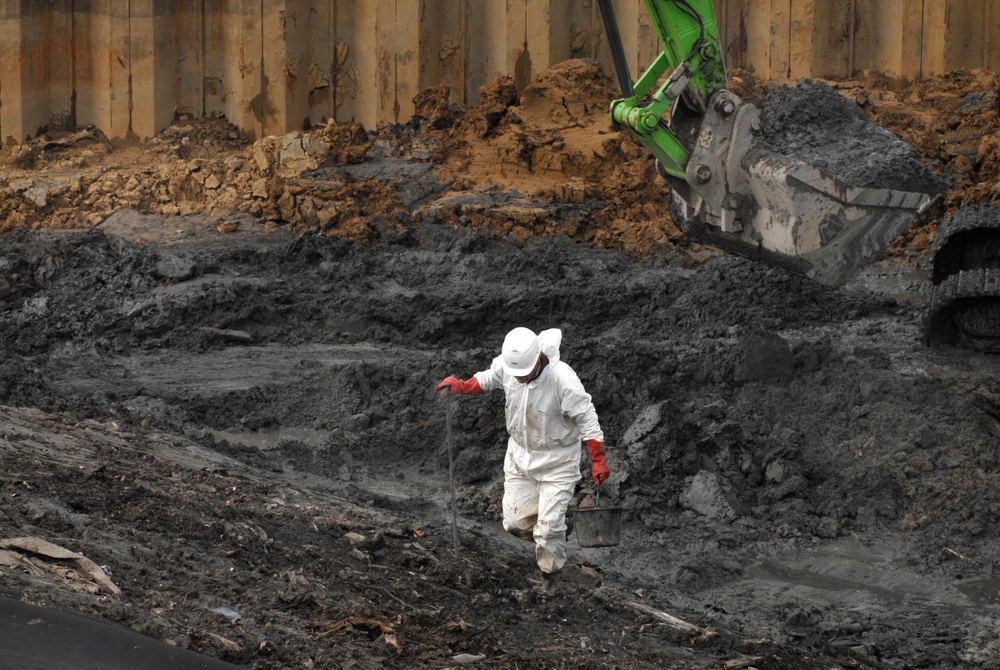
The contaminated material is dug out carefully and separated from clean soil. This limits the chance of cross-contamination and helps control disposal costs.
- Remove only the affected soil where possible.
- Keep clean and contaminated materials apart.
- Use containment measures if dust or runoff may spread.
Safe transport
For contaminated soil disposal, always comply with waste classification and chain-of-custody requirements.
- Use suitable trucks and loading methods.
- Keep records of where the soil came from and where it went.
- Deliver only to approved facilities.
Treatment, disposal, or reuse
The right outcome depends on the soil type and contamination level. In some cases, the soil can be treated and reused. In others, disposal is the safest option.
- Treatment may be used for certain chemical or hydrocarbon impacts.
- Disposal is often required for soil that cannot be made safe on site.
- Validation testing confirms whether the remediation target has been met.
What rules apply in NSW?
Contaminated soil in NSW must be handled in line with environmental, safety, and waste requirements. The exact obligations depend on the site, the contaminant, and the amount of material involved.
- Work should follow relevant NSW EPA and workplace safety requirements.
- Waste classification must be done before transport or disposal.
- Records should show how the soil was assessed, moved, and disposed of.
TIP: Confirm this with your site remediation NSW team. A missed step can lead to delays, extra cost, or a site that cannot be handed over.
Frequently asked questions
Can contaminated soil stay on site?
Sometimes it can, but only if the risk is properly controlled and the site is suitable for that approach. In many cases, removal or treatment is the cleaner long-term option.
Is contaminated soil always dangerous?
It may not pose an immediate visible threat, but it can still create health, environmental, and compliance problems. That is why testing and proper handling are important.
Can contaminated soil be reused?
Sometimes, yes, but only if it has been tested, treated where needed, and shown to meet the required standard for reuse. Many soils must be disposed of at a licensed facility instead.
Who should handle contaminated soil removal?
It should be handled by qualified professionals with the right equipment, procedures, and disposal pathways. This is especially important for asbestos, fuel impacts, or mixed waste.
How can Riverina Demolition help with contaminated soil?
At Riverina Demolition, we handle contaminated soil removal with our well-proven process. We work with business owners, property managers, builders, and contractors across the Riverina to assess the site, manage the risks, and complete the job properly from start to finish.
If you need contaminated soil removal or site remediation in South West NSW read our webpage for more information and get in touch to discuss your site and the next steps.


Leave A Comment