
Getting rid of an old pool can solve a costly problem and free up useful space.
This guide explains the best methods for inground pool removal, what backfilling and compaction involve, what affects cost, and what you should expect from a proper site finish.
Read on to understand the best way to remove your swimming pool.
What is the best way to get rid of an inground pool?
The best way to get rid of an in-ground pool is to complete its removal, followed by proper backfilling, compaction, and levelling. This fully removes the pool shell, clears the site, and leaves the ground ready for safe use.
It is the most reliable option when you want a result that is stable, practical, and suitable for future landscaping or building. It also helps avoid problems caused by leaving poor fill or uneven material behind.
Which removal method suits your pool type?
The right approach for pool removal Wagga Wagga depends on the pool type, the site access, and how the area will be used after removal. Concrete, fibreglass, and above-ground pools all need different handling.
How does concrete pool removal differ?
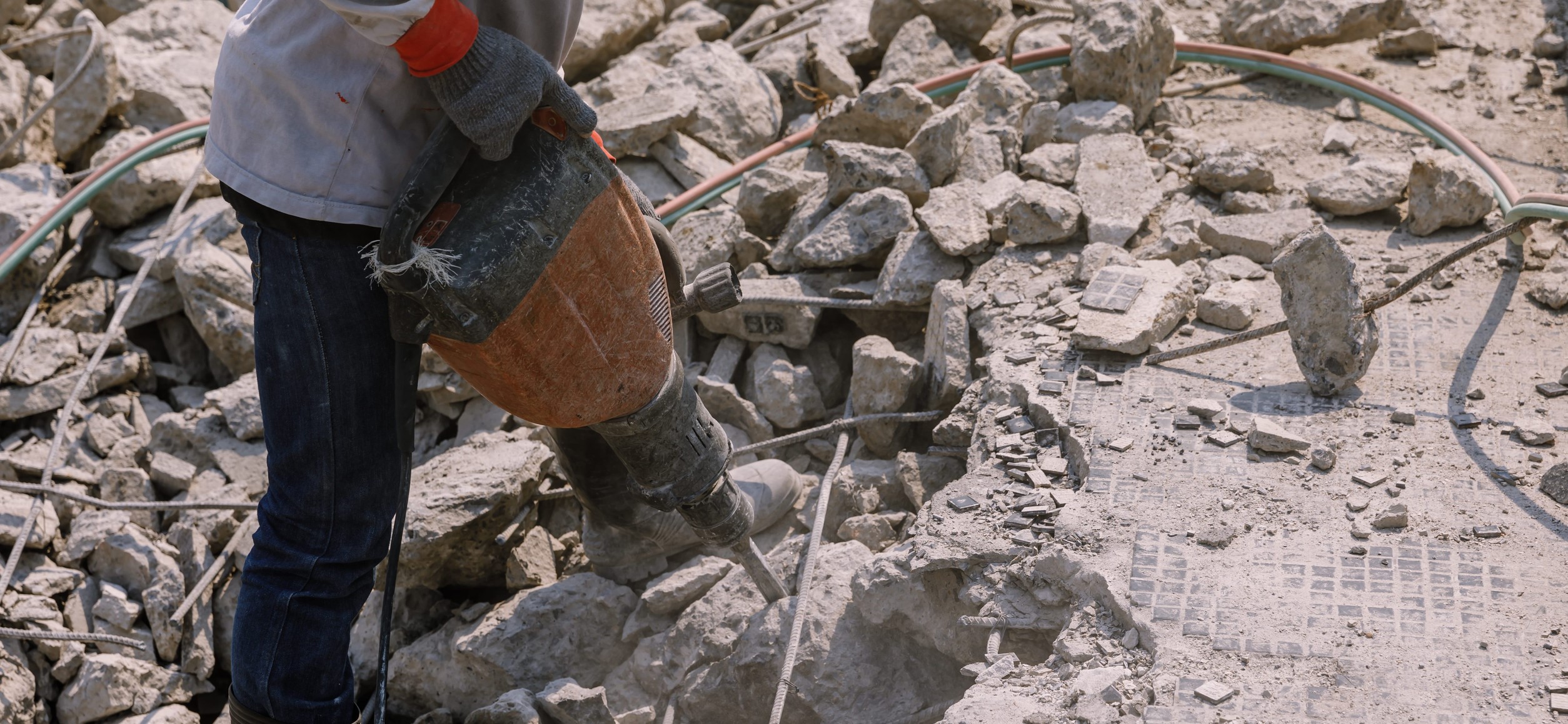
Concrete pools usually need to be broken up and removed in sections. This is often the most labour-heavy option because the shell is strong and the waste volume is high.
Common tasks include:
- Draining the pool.
- Breaking the shell into manageable pieces.
- Loading and removing waste.
- Preparing the excavation for backfill.
How is fibreglass pool removal handled?
Fibreglass pools are usually removed by cutting and lifting the shell out in sections. This needs care so the shell is fully removed and the site is left clean.
Typical steps include:
- Disconnecting services and fittings.
- Cutting the shell for removal.
- Lifting out the pieces.
- Cleaning the cavity before backfilling.
Why do backfilling and compaction matter?
Backfilling and compaction help to ensure the site is stable. The cavity is filled with clean soil or approved fill material, then compacted to prevent later settlement.
Poor compaction can lead to sinking, uneven ground, and ongoing repair issues. That is why the fill should be placed in layers and compacted carefully.
What does compacted backfill do?
Compacted backfill helps the ground hold its shape over time. It supports the surface above it and reduces the risk of movement after the job is finished.
This matters whether the space will become lawn, a garden, or part of a larger building plan.
What does site preparation include?
Site preparation is the step that turns the old pool area into a usable part of the property again. A good result should be level, safe, and ready for the next stage of use.
It usually includes:
- Removing all pool waste and debris.
- Filling the excavation with clean material.
- Compacting the fill in layers.
- Levelling the surface for drainage and appearance.
The aim is to leave a site that is practical and easy to work with. In most cases, the area should be ready for landscaping straight away, or ready for further works if planned.
What affects the cost of removing a pool?
The costs of swimming pool removal NSW vary depending on several factors. No two sites are exactly the same, so the price can change based on the work involved.
The main cost factors are:
- The pool type: concrete, fibreglass, or above-ground.
- The size and depth of the pool.
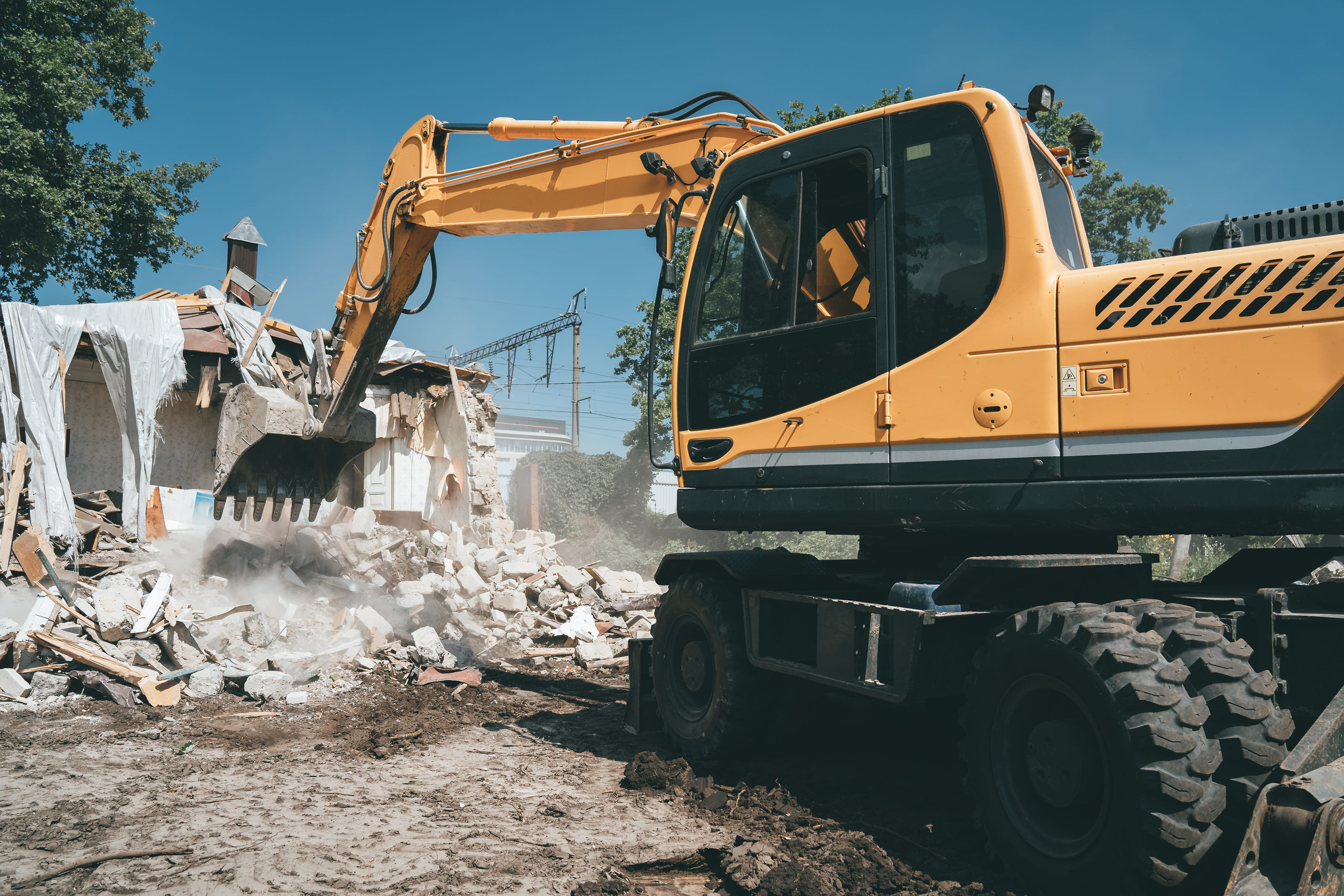
- Site access for machinery.
- Backfilling and compaction requirements.
- Waste removal and recycling fees.
Why does access change the price?
Good access can make the work faster and simpler. Tight access may require smaller machines, more care, or extra labour, which can increase the total cost.
Things that affect access include:
- Narrow gates.
- Fences or walls.
- Overhead clearance.
- Driveway width.
- Space for loading and material delivery.
Why do backfill requirements matter?
Backfill requirements matter because the cavity must be properly filled to prevent future settlement. If the job needs more fill material or a higher level of compaction, the cost will usually be higher.
What are the benefits of removing a pool?
Removing an unwanted pool can improve the property in several practical ways. It often reduces costs, improves safety, and creates an easier-to-use space.
The main benefits are:
- Reduced maintenance and repair costs.
- Lower safety risks for children and pets.
- More usable backyard space.
- Lower water and electricity bills.
- Better resale appeal in many cases.
For many owners, the biggest benefit is simple, a backyard that is easier to manage. That can make day-to-day life more practical and reduce long-term upkeep.
FAQs about inground pool removal
How long does pool removal take?
The time needed depends on pool type, access, and the amount of fill required. Some projects move quickly, while larger sites or those with difficult access can take longer.
Can the area be landscaped afterwards?
Yes. Once the fill is correctly compacted and levelled, the area can usually be used for lawn, garden beds, or other landscaping work.
Is pool removal worth it?
For many properties, yes. If the pool is unused and maintenance costs keep adding up, removal can be a practical long-term decision.
What is the most important part of the job?
The most important part is proper removal, backfilling, and compaction. These steps help maintain the site’s stability and prevent future sinking.
Do all pool removals need the same approach?
No. The right method depends on the pool type, access, and the land’s future use. A proper assessment before the job starts helps avoid problems later.
Riverina Demolition can help with pool removal
At Riverina Demolition, our experienced and professional team provides safe, efficient swimming pool removal across the region.
If you are considering pool removal in Wagga Wagga, Griffith, Albury, Leeton, Narrandera, Temora, Junee, Gundagai, or Hay, get in touch for a clear quote and practical advice.




Leave A Comment