
Riverina homeowners can reach a point where demolishing an existing structure is the most practical path forward, whether for a knockdown-rebuild, subdivision, or site clearance.
While the process is well-established, it requires planning, the right approvals, and a licensed contractor.
Discover all about Riverina House demolition, how to prepare for your demolition project and step through a standard Riverina Residential Demolition process so you will know exactly what to expect.
What Is Residential Demolition?
Residential demolition involves full or partial demolition of a building.
Common reasons for Riverina house demolition include knockdown-rebuild to build a modern home, block subdivision to get better value from the land, or a renovation project.
A typical project could be the demolition of a single dwelling, outbuildings, garages or granny flats.
Full Demolition vs. Partial Demolition
- Full demolition is the complete removal of an existing structure and all footings, leaving the block cleared, ready for follow-on work
- This leaves the property completely cleared and free for construction, including subdividing the block, probably involving multiple construction projects
- Partial demolition is the selective removal of specific sections, walls, or structures while the main shell building remains intact
- A partial demolition or strip-out can facilitate renovations or replacement of an entire kitchen or bathroom
Before You Start: Preparing for Residential Demolition in the Riverina
The key actions homeowners must take before any physical work begins. See these steps as the groundwork for preventing costly delays.
Check Your Council Requirements
Riverina covers multiple local government areas, including Wagga Wagga, Griffith, Leeton, Narrandera, and the surrounding areas. Homeowners must know which approval pathway applies to them, although a professional, local demolition team will be familiar with current requirements.
- Typically, residential demolition needs approval, normally via a Development Application (DA) or Complying Development Certificate (CDC)
- The CDC approval is typically faster (10 to 20 days), but the longer-winded DA is needed for heritage-listed properties
- Note that heritage properties in conservation areas may have restricted demolition rights under NSW planning rules
- The NSW Planning Portal and your relevant local council will have the information you need
- SafeWork NSW must be notified before demolition works begin
Organise a Hazardous Materials Assessment
- NSW homes built or renovated before 1990 are likely to contain asbestos-containing materials (ACMs), which remain a serious health risk
- A professional, licensed asbestos assessor must inspect the property before demolition commences. Samples are sealed and taken for laboratory analysis to confirm the presence of asbestos
- Any asbestos removal and disposal must be carried out by a licensed asbestos removalist, not a general contractor
- Other hazardous materials to check: lead paint, underground fuel tanks, contaminated soil
- Skipping this step can create legal and safety risks for the homeowner
Disconnect All Utilities
- Electricity
- Contact your energy provider to arrange a permanent disconnection and meter removal
- Gas
- The gas network operator must cap and certify the disconnection
- Water and sewerage
- Notify your local water authority. Disconnection and capping these services may be conducted by a licenced plumber
- NBN and telecommunications should be disconnected by your service provider
Notify Your Neighbours
- NSW councils typically require written notice to adjoining property owners before demolition begins
- The notification should include the proposed start date, estimated duration, and expected working hours, plus contractor contact details
- Explain plans for the management of noise, dust, vibration, and site access
- Early communication is neighbourly and helps avoid disputes and costly delays
The Residential Demolition Process: A Clear 4-Step Breakdown
This is the centrepiece of the article. Your walkthrough of what actually happens during a Riverina House demolition.
Step One: Site Assessment and Planning
- Your licensed demolition contractor conducts a full site inspection to identify structural risks, hazardous materials, and site access challenges
- They will begin development of a demolition work plan, including a waste management plan
- The site inspection includes a salvage assessment, identifying materials that may be recycled, such as bricks, timber and steel
- Other factors considered are scheduling and logistics: traffic management, equipment access and working hours permitted under local council rules
Step Two: Permits, Approvals, and Notifications
- Obtain approval for work with the submission of a DA or CDC application through the NSW Planning Portal or your local council
- A SafeWork NSW notification should be lodged at least five business days before demolition begins
- Documents typically submitted should include the site plan, demolition work plan, waste management plan, asbestos assessment report, and neighbour notification plan
- Approval timeframes: CDC approvals within 10 to 20 days; DA approvals typically four to eight weeks
- Note that penalties for demolishing without approval can exceed $50,000
Step Three: The Physical Demolition
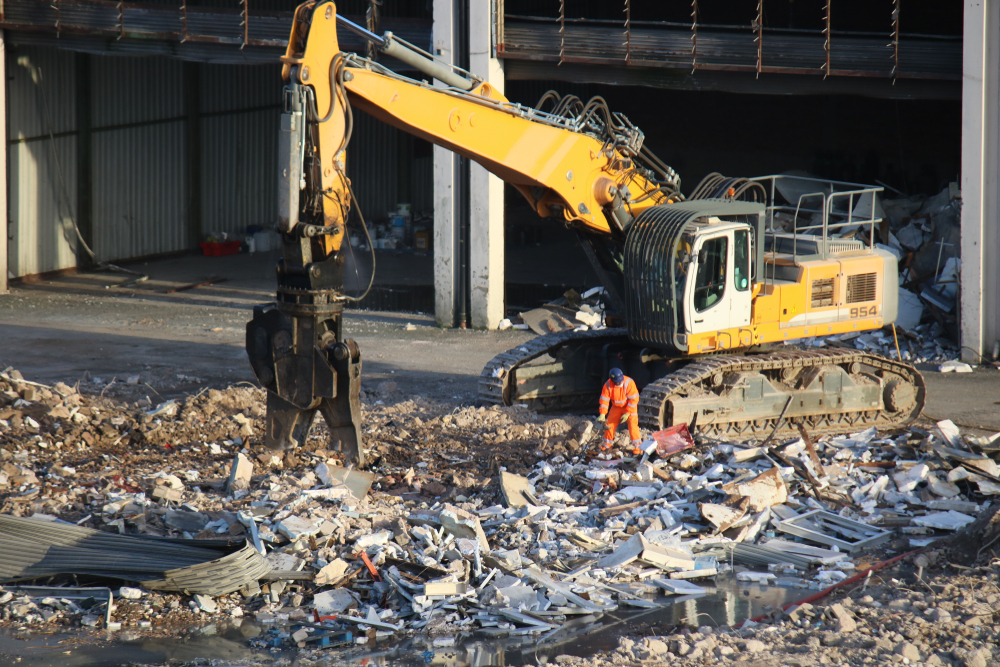
- This phase often begins with heavy equipment, like excavators or bulldozers
- The systematic deconstruction sequence generally works from the top down, so roof first, then walls, then footings and slab
- Throughout the process, expect the ongoing sorting and separating of waste materials for recycling and compliance with relevant waste management regulations
- Dust suppression and noise control measures are used for the benefit of workers and the local community
- Asbestos removal, if required, is completed as a separate stage prior to the main demolition
Step Four: Site Clearance and Handover
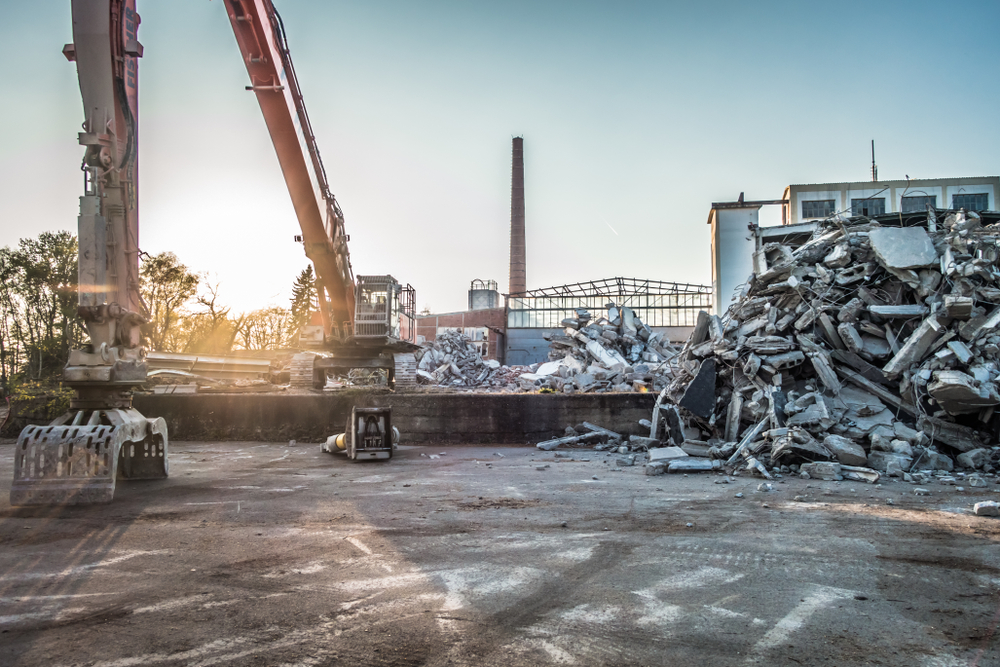
- Once the structure is down, the site needs to be clean, level, and ready for its next purpose
- All waste materials are transported to an accredited disposal facility
- A responsible contractor will recycle waste material wherever possible, sending as little as possible to landfill
- A final site inspection confirms compliance with permit conditions
The site is graded and levelled to the agreed specification - The site is now ready for construction, subdivision, or as agreed with the council
Get Expert Help With Your Riverina Residential Demolition
Riverina Demolition is a trusted local specialist for residential demolition across the Riverina region. Our local knowledge means we are aware of and comply with council requirements across the region’s LGAs.
Contact the team for an obligation-free quote or site assessment.


Leave A Comment