
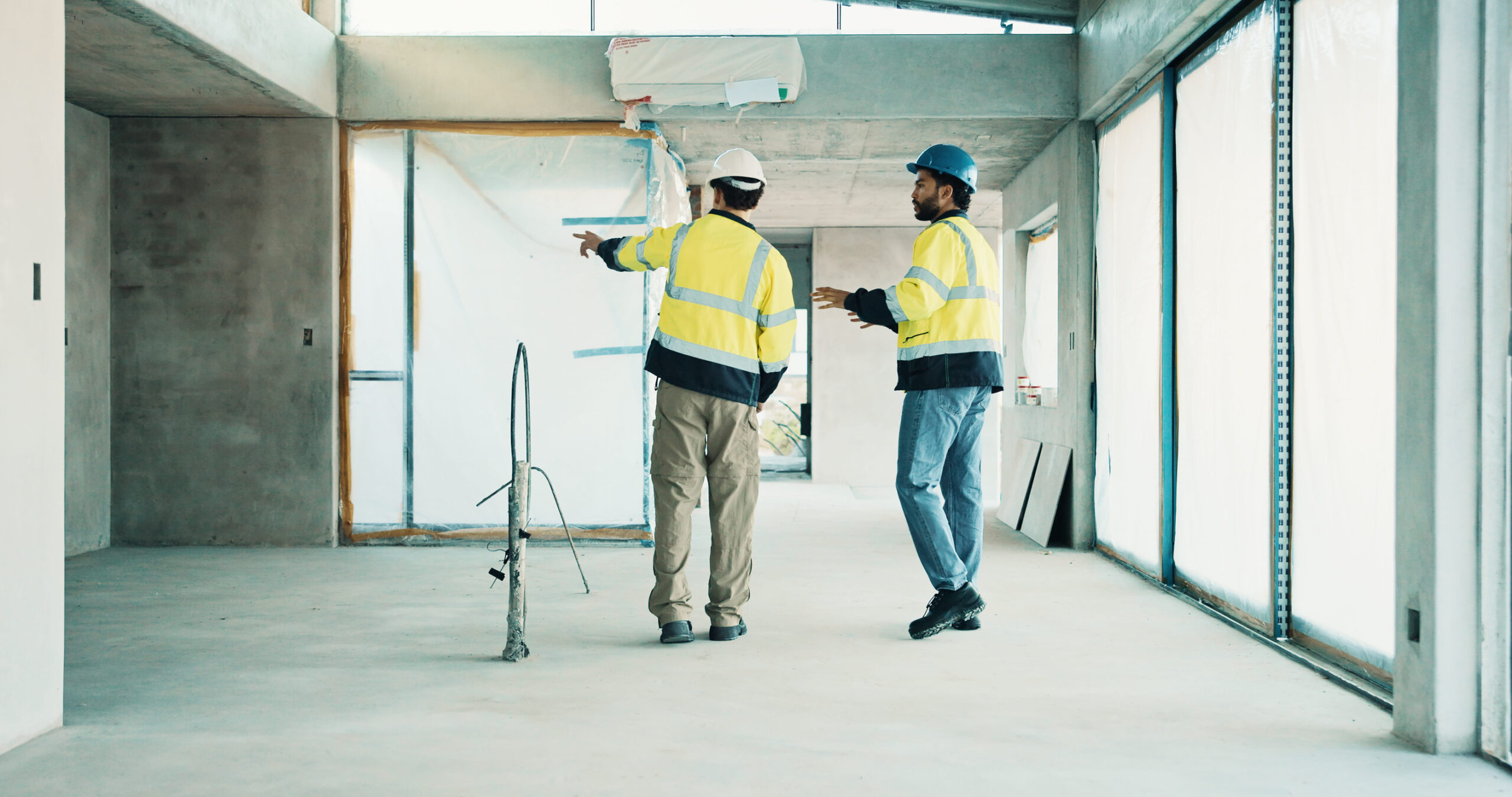
Many owners and managers want to modernise their premises but worry about downtime, safety and hidden costs.
Well-planned commercial strip out services remove previous fit-outs cleanly and safely, enabling upgrades that can boost value, efficiency and customer appeal.
In this guide, we explain what a strip out is, how it enables commercial property renovations NSW, how you can keep trading in many cases, and the key steps to a smooth project.
Keep reading to learn how to effectively renovate commercial property in The Riverina and surrounding regions.
What is a commercial strip out?
A commercial strip-out is the process of removing non-structural internal elements from a tenancy so the space can be refurbished, refitted, or re-let. It is not a full demolition, and it does not touch load-bearing walls or base-building services unless specifically included.
What gets removed in a commercial strip out?
Typical items removed in a strip out include:
- Partitions, temporary walls and joinery such as counters, shelving and built-in desks
- Floor coverings including carpet, tiles, vinyl and timber
- Suspended ceilings, tiles, grids and attached lighting
- Non-essential air conditioning, vents and ductwork within the tenancy
- Electrical and plumbing fixtures that serve the tenancy only, such as power points, switches, sinks and taps
- Display units, signage, shopfront interiors, and fixtures
What is left in place during a strip out?
Items that remain in place during a standard strip out include:
- Structural elements such as load-bearing walls, columns and slabs
- Base-building services, including the main HVAC plant, risers, fire systems and electrical mains
- External building components such as facades, windows, roofing and external doors
- Hazardous materials such as asbestos, which require licensed specialist removal under separate controls
Why strip out before renovating a commercial property?
A strip out is the necessary first step before most commercial renovations and refits. It creates a clean, safe, and measurable base for new designs and ensures trades can work efficiently without having to work around old fitouts.
How does a strip out support renovations and refits?
A professional strip-out supports renovations by:
- Allowing accurate measurement and layout for new floor plans and services
- Enabling safe access for electricians, plumbers, HVAC and fitout teams
- Reducing the risk of damage to new finishes from old fixtures and debris
- Supporting compliance with landlord make-good obligations and lease requirements
What are the benefits of professional strip-out services?
Engaging a specialist strip-out contractor delivers:
- Clear scope definition so you know exactly what will and will not be removed
- Coordinated sequencing with other trades to avoid delays
- Safe handling of utilities, anchored fixtures and high or awkward work areas
- Efficient waste sorting, recycling where possible, and site cleanup to a clean standard
Can a business continue operating during a strip-out?
In many cases, yes. With careful planning, a business can continue to operate during a strip-out by using phased work, after-hours shifts, and temporary barriers to separate work zones from customer areas.
How to plan a phased or after-hours strip out
To maintain operations, consider:
- Dividing the site into zones and completing strip out work one zone at a time
- Scheduling noisy or disruptive tasks for evenings, weekends or shutdown periods
- Using temporary walls, hoardings and clear signage to keep customers and staff safe
- Coordinating closely with your strip out team and project manager on daily access and noise limits
How to manage safety, access and customer flow
Safe operation during a strip out requires:
- Defined walkways and protected entry and exit points for customers and deliveries
- Dust control, floor protection and regular cleaning to maintain a tidy environment
- Clear communication with staff about work schedules, restricted areas and emergency procedures
- On-site supervision during active works to manage risks and answer questions quickly
What is the commercial renovation process after a strip out?
Once the strip-out is complete, the renovation phase can proceed with new services, finishes, and fit-out. A clear sequence helps keep the project on time and on budget.
What are the key stages from strip out to handover?
A typical commercial renovation process includes:
- Site survey and measured drawings after strip out
- Design development and engineering coordination for new services
- Approvals and permits from council, landlord and building certifier
- Installation of new electrical, plumbing, HVAC and fire systems
- Construction of new partitions, ceilings, floors and finishes
- Fitout of joinery, fixtures and equipment
- Testing, commissioning and final defects inspection
- Handover with documentation and as-built drawings
Frequently Asked Questions about commercial strip-outs and renovations
What is a commercial strip out?
A commercial strip-out is the removal of non-structural internal fixtures, services, and finishes from a tenancy to prepare it for refurbishment or re-letting.
Can we keep trading during a strip out?
Often, yes, by using phased work, after-hours shifts and temporary barriers to separate construction zones from customer and staff areas.
What is not included in a standard strip out?
Structural elements, base-building services, external building components and hazardous materials such as asbestos are typically excluded and require separate scopes or approvals.
How long does a commercial strip-out take?
Duration depends on size and complexity, but small shops and offices may take a few days, while larger tenancies can take one to two weeks or more.
Do we need council approval for a strip out?
A strip-out alone often does not require council development approval, but associated renovation works, structural changes, or changes to use may require permits and building certification.
Why choose Riverina Demolition for your project
Riverina Demolition are a locally owned and operated demolition contractor covering regional NSW, with years of experience across Wagga Wagga, Griffith, Albury, Leeton, Narrandera, Temora, Junee, Gundagai and Hay.
Our services include commercial strip-outs for commercial property renovations NSW, so you can future-proof your operations.
Check out our web page to learn more about our commercial strip out services, and contact us to discuss your site, timeline, and budget. We will provide straight advice on what can be done, the best sequence of works and how to minimise disruption to your business.




Leave A Comment