
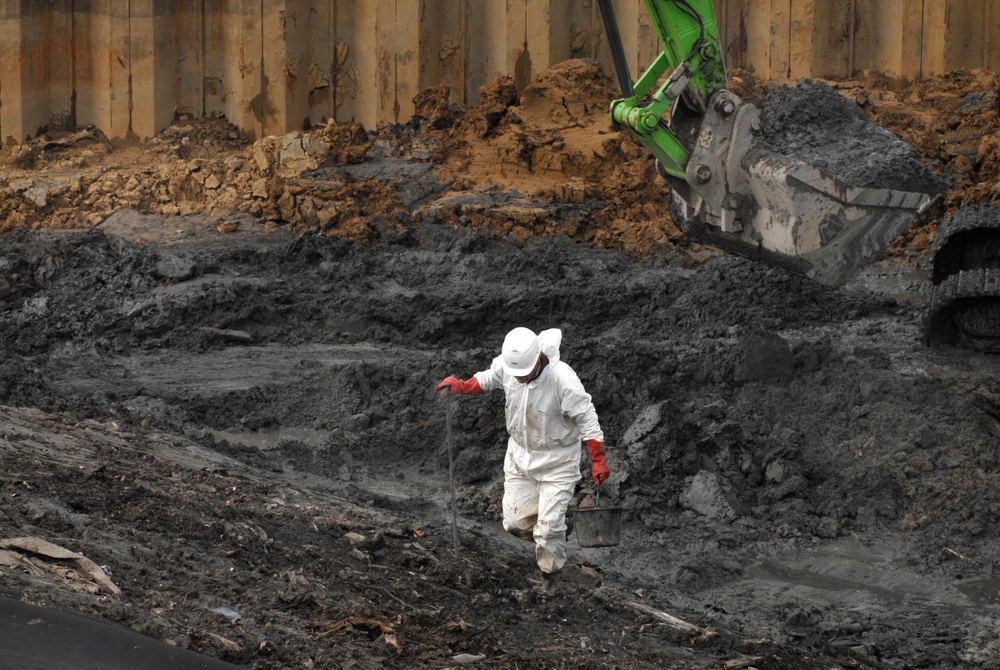
Contaminated soil remediation Riverina may involve excavation and disposal, treatment, soil isolation, or a combination of methods, depending on the contaminant, site history and proposed land use.
In this article, we explain the best way to ensure contaminated land remediation Wagga Wagga and across the Riverina region.
Read on to learn how professional site remediation services can fix your contaminated soil.
What can contaminate Riverina soil?
Contamination can come from current or historical activities. Common examples include:
- Asbestos-containing material from demolished buildings, sheds, fences or illegal dumping.
- Hydrocarbons from fuel tanks, workshops, machinery yards and vehicle storage.
- Heavy metals from industrial activities, treated timber, paint, batteries and waste disposal.
- Pesticides and herbicides associated with former orchards, market gardens, agricultural properties and storage areas.
- Sewage, wastewater or other organic contamination.
- Imported fill containing building waste, ash, slag or unknown material.
- Chemicals from former depots, service stations, factories or agricultural operations.
How is contaminated soil fixed?
There is no single treatment that suits every site. The appropriate option is selected after considering the contaminant, concentration, depth, groundwater conditions, site access, future use and disposal requirements.
1. Investigate and test the site
Start with a site history and preliminary investigation. This can identify former uses, underground tanks, demolished structures, chemical storage areas, waste burial locations and imported fill.
A contaminated-land consultant may then arrange laboratory testing. Sampling should be representative of the affected area and may include soil, groundwater, vapour or asbestos assessment where relevant.
Avoid relying on a visual inspection or a single soil sample. Contamination can be patchy, and the most obvious area is not always the full extent of the problem.
2. Prepare a remediation plan
If contamination is confirmed, the consultant may prepare a remedial action plan. This normally sets out:
- The contaminants and affected areas.
- Remediation objectives.
- Worker and public safety controls.
- Dust, erosion, stormwater and sediment controls.
- Excavation, handling, transport and disposal procedures.
- How clean and contaminated soil will be separated.
- Validation testing required after the work.
- How any contamination left on site will be managed.
3. Treat the soil on site where suitable
Some soil can be treated or managed without being removed from the property. Depending on the contaminant, this may involve processes such as:
- Bioremediation for suitable hydrocarbon contamination.
- Soil stabilisation or solidification.
- Screening and separation of impacted material.
- Controlled treatment followed by verification testing.
- Engineered capping or containment.
4. Excavate and dispose of contaminated soil
Where treatment is unsuitable, contaminated soil removal NSW involves taking the soil to an appropriately licensed or approved disposal facility.
This process requires more than simply loading soil into a truck. It may involve:
- Establishing excavation boundaries.
- Managing dust and runoff.
- Segregating different waste types.
- Covering loads during transport.
- Selecting a lawful receiving facility.
- Retaining waste classification, weighbridge and disposal records.
- Testing the excavation and replacement material.
5. Contain the contamination
If removal is impractical or unnecessary for the proposed land use, contamination may be isolated beneath an engineered barrier or clean cover layer.
Containment could include:
- A clean soil cap.
- Concrete or asphalt hardstand.
- A geotextile separation layer.
- A designed barrier system.
- Restrictions on excavation or future disturbance.
6. Validate the completed work
After remediation, the site should be inspected and tested to confirm that the agreed objectives have been achieved. Validation may include samples from:
- The base and walls of an excavation.
- Imported clean fill.
- Remaining soil beneath a cap.
- Stockpiled material.
- Groundwater or other affected media.
Frequently asked questions
Can I test contaminated soil myself?
You can arrange testing, but collecting a reliable sample is not always straightforward. The number, location and depth of samples should reflect the suspected source and proposed site use. For development, sale or regulatory purposes, use a suitably qualified contaminated-land consultant rather than relying on a home test or one-off laboratory sample.
Can contaminated soil be moved to another part of the property?
Do not move it without professional advice. Relocating soil can spread contamination, alter exposure risks and create waste or planning issues. Any proposed soil movement should be documented in the remediation plan and supported by testing.
Can contaminated soil be used as clean fill?
Not unless testing and the applicable regulatory requirements show that it is suitable for that use. Soil containing asbestos, hydrocarbons, pesticides, heavy metals or unknown waste should not be reused casually on another property.
What if the contamination contains asbestos?
Stop work in the affected area and prevent people, vehicles and machinery from disturbing the material. Asbestos-contaminated soil requires risk-based assessment, a documented remedial action plan and validation after remediation. NSW EPA guidance states that asbestos remediation must ensure the material no longer presents an unacceptable risk for the current, approved or proposed land use.
Do I have to notify the NSW EPA?
Potentially. Landowners and parties responsible for contamination may have a duty to report contamination in circumstances covered by NSW legislation. The EPA considers factors such as the concentration, potential exposure, movement of contamination and risk to people or the environment.
Obtain advice promptly if contamination has migrated, may affect groundwater or neighbouring land, involves asbestos or chemicals, or is significant enough to affect the site’s current or proposed use.
Is a remedial action plan always required?
The answer depends on the project, the contamination and the relevant planning or regulatory pathway. A remedial action plan is commonly required where physical remediation is proposed, particularly for development sites or contamination involving ongoing management. A contaminated-land consultant can confirm what documentation applies to the property.
Can Riverina Demolition remove the soil without a consultant?
At Riverina Demolition, we solve your contaminated soil problems. Our full process for contaminated soil remediation Riverina includes identifying the contamination, classifying the waste, specifying controls and confirming that the site is suitable after the work.
If you need to fix contaminated soil, contact our friendly, professional, local team today with your questions and to arrange your site remediation project and get your free, no-obligation quote.





Leave A Comment