
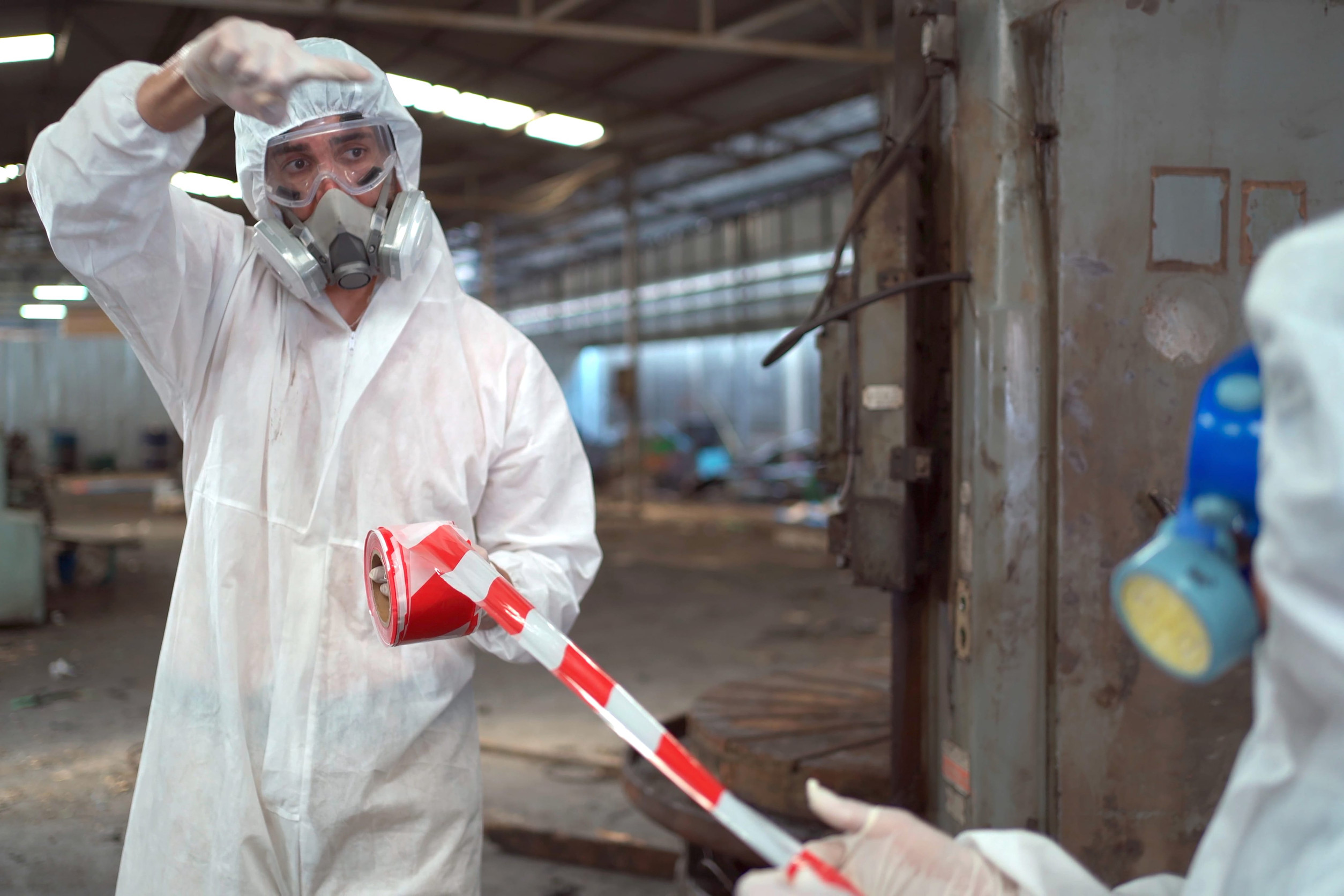
If you own or manage a property in South West NSW, asbestos may feel like a hidden threat and a risk to the health of everybody within the property. You know an older building may have asbestos-containing materials (ACMs), and you are anxious about how asbestos removal works.
Your worry will recede when you contact a good local licensed asbestos removalist South West NSW.
In this article, we clarify the risks posed by certain types of asbestos and how best to make your property safe and earn peace of mind.
What actually makes asbestos dangerous?
Asbestos becomes a health risk only when fibres are released into the air and inhaled over time. Intact, undisturbed materials such as old cement sheets, vinyl tiles, or textured ceilings often pose low risk if they remain in good condition.
- When asbestos materials are drilled, cut, sanded, water-blasted, or damaged by weather or impact, there is an increased risk of dangerous fibres becoming airborne.
- Friable asbestos is the most dangerous and must be handled by licensed specialists.
- There is no safe level of exposure, which is why control and containment matter more than panic.
When should you leave asbestos alone?
If asbestos-containing materials are intact, sealed, and not in a high-traffic or high-wear area, the safest option is often to leave them in place and monitor.
- Do not drill, cut, sand, scrape, scrub, or water-blast suspected materials.
- Paint or seal only if it will not disturb the surface, and you follow safe work practices.
- Record the location in an asbestos register and review condition at least every five years or after damage.
When must asbestos be removed?
Removal is required when materials are:
- damaged
- friable
- Likely to be disturbed by renovation, demolition, or maintenance
How do you stop worrying about asbestos on your property?
The most effective path is to identify, assess, control, and, where needed, remove asbestos with licensed professionals.
- Commission a professional asbestos survey to confirm what is present and where.
- Create a simple asbestos management plan NSW, assigning responsibilities and project schedules.
- Use licensed removalists for high-risk or disturbed materials and keep records for compliance and resale.
What is an asbestos management plan and do you need one?
An AMP explains how you will manage asbestos safely on your site. In NSW workplaces where asbestos is suspected, the person with management or control must prepare and maintain an AMP.
- It identifies asbestos locations, safe work procedures, control measures, and emergency steps.
- It must be reviewed at least every five years or after changes.
- For commercial sites, an asbestos register is also required if the building was constructed before 2004 or asbestos is likely.
What are the safe steps for asbestos removal in South West NSW?
Licensed asbestos removal Tamworth follows a well-proven sequence.
- Isolate the area with signs and barriers.
- Keep materials damp to suppress dust.
- Wrap waste in heavy-duty plastic.
- Take it to disposal sites authorised to accept asbestos waste.
Who can remove asbestos legally in NSW?
Homeowners can remove less than 10 m² of non-friable asbestos themselves if they follow the Code of Practice, but the severe health risks mean engaging a licensed professional is strongly encouraged.
- Friable asbestos may only ever be handled by a Class A licence professional.
- A Class B licence holder may manage more than 10 m² of non-friable asbestos.
What happens during a professional removal job?
A professional job is methodical and documented from start to finish. Expect the crew to arrange controlled access, wear PPE, use decontamination units, and produce post-removal clearance.
- Set up the site with barriers, signs and negative pressure (for friable asbestos).
- Remove the material in sealed waste bags.
- After clearance, conduct a visual inspection and, where required, air monitoring before re-occupation.
FAQs: quick answers to common asbestos worries
Do I have to remove asbestos if it is in good condition?
No. If it is intact and unlikely to be disturbed, you can often leave it in place and monitor it.
How do I know if my property has asbestos?
If it was built or renovated before 1990, it may contain asbestos. Only lab testing can confirm.
Can I remove asbestos myself in NSW?
You may remove less than 10 m² of non-friable asbestos yourself if you follow the Code of Practice, but licensed removal is recommended.
What should I do if I accidentally damage asbestos?
Stop work, isolate the area, keep it damp, avoid spreading dust, and contact a licensed assessor or removalist.
How often must an asbestos management plan be reviewed?
At least every five years, or sooner if asbestos is removed, disturbed, sealed, or enclosed.
Your route to peace of mind with Riverina Demolition
At Riverina Demolition, we are a well-respected, locally owned and operated team covering Wagga Wagga, Griffith, Albury, Leeton, Narrandera, Temora, Junee, Gundagai, and Hay.
We specialise in demolition of buildings and structures, site remediation and safe asbestos removal Wagga Wagga and across South West NSW.
We are a licensed asbestos removalist South West NSW. Our team are experienced and friendly. Contact us today to arrange a site inspection and safe asbestos removal if needed, to relieve your property worries.


Leave A Comment