
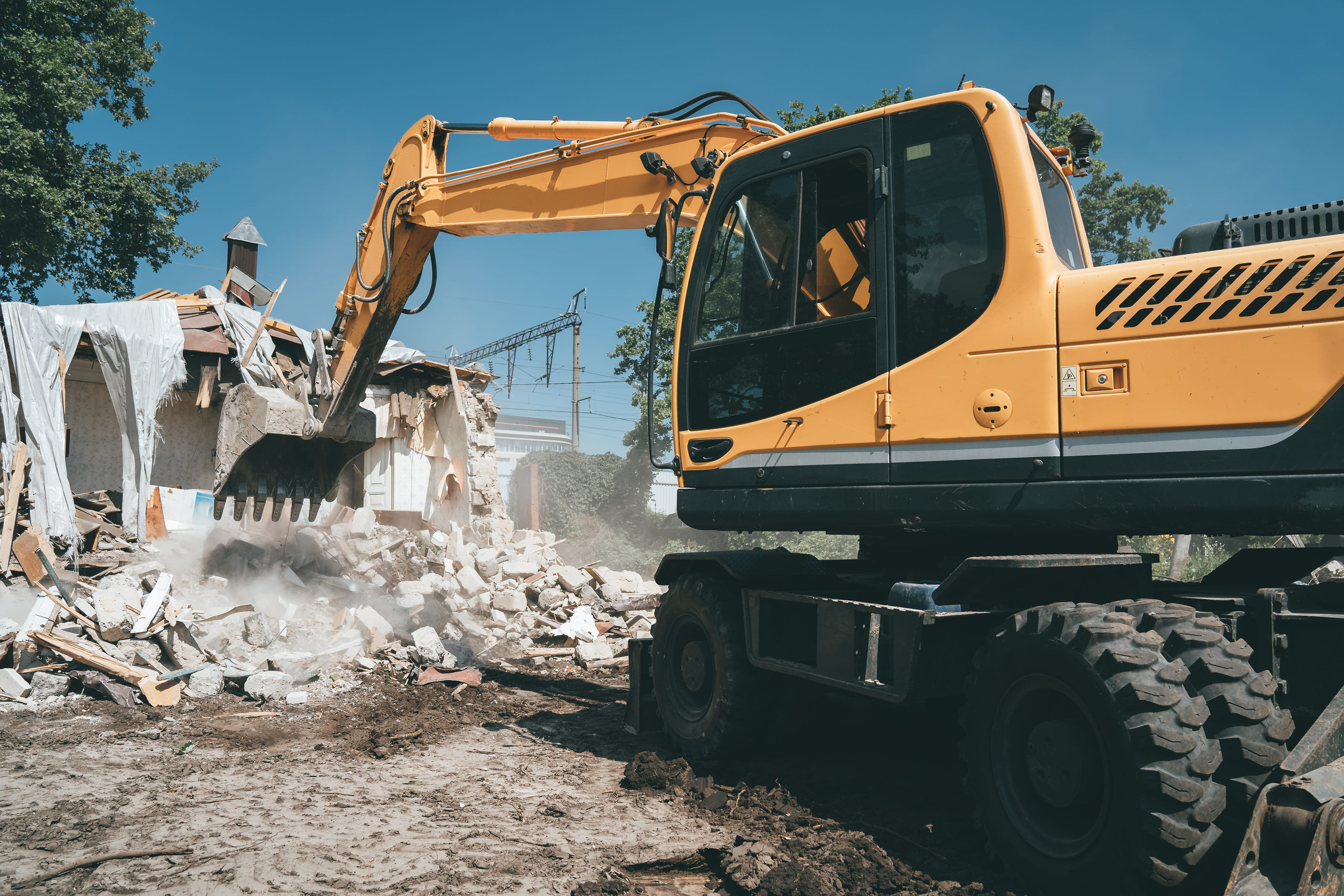
A well-prepared site helps prevent delays, extra costs, and safety issues before house demolition NSW begins.
This guide explains the main steps for residential demolition in NSW, including demolition permits NSW, service disconnections, clearing the property, neighbour notice, and the checks that matter most before work starts.
What do I need before house demolition starts?
Before any residential demolition begins, the site must be legally approved, safely isolated, and fully cleared. Good preparation keeps the project moving and reduces the risk of damage, delays, or compliance problems.
The essentials are:
- Council approvals and demolition permits.
- Water, gas, and electricity disconnected.
- Personal belongings and loose items removed.
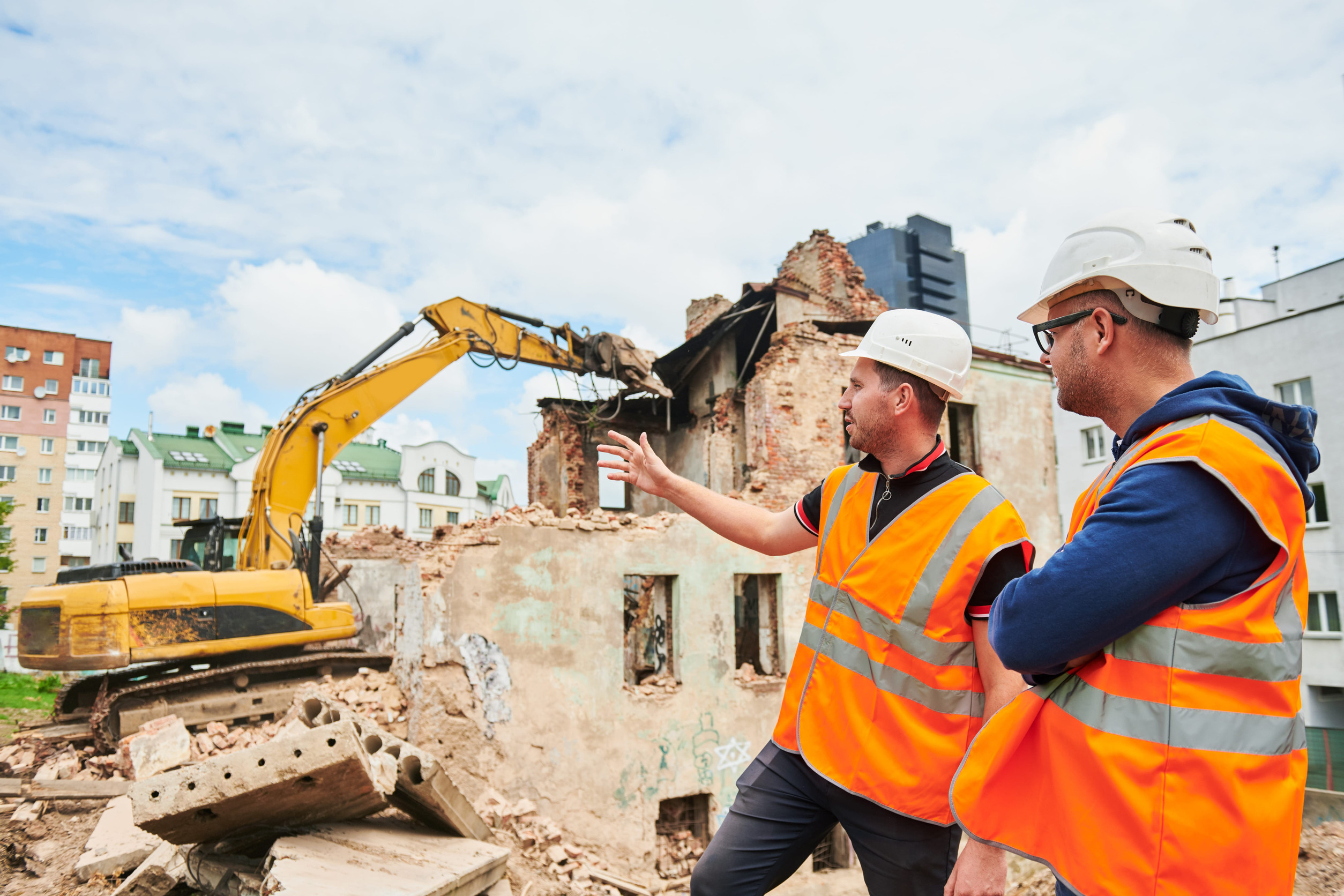
- Neighbours given a courtesy heads-up.
Do I need council approvals and demolition permits?
Yes, in most cases you will need approval before demolition can begin. Expect your house demolition contractor to know the requirements and take care of the process for you.
Before you start, check:
- Whether council approval is required.
- Whether a Complying Development Certificate applies.
- Whether the property has heritage, zoning, or planning restrictions.
- Whether any additional documents are needed.
Do not assume approval is automatic. Getting this step wrong can cause major delays and extra cost.
Must utilities be disconnected before demolition?
Yes, all live services must be disconnected before demolition work starts. This is a safety requirement and helps prevent serious damage or injury during the demolition process.
Arrange disconnection for:
- Electricity.
- Gas.
- Water.
- Any other active services linked to the building.
It is best to confirm these services are fully isolated before the demolition crew arrives. If a service is still active, work may need to stop until it is made safe.
Should personal belongings and loose items be removed?
Yes, the house should be completely cleared before demolition day. Anything left behind may be damaged, lost, or create hazards on site.
Remove:
- Furniture.
- Appliances.
- Clothes and household goods.
- Tools and stored materials.
- Valuables and documents.
- Garden items and loose outdoor belongings.
A full clear-out also makes the site easier to hand over and helps the demolition run more smoothly.
How should I prepare the site?
The site should be safe, open, and easy to access before demolition begins.
Use this preparation checklist:
- Ensure local authority approvals are in place.
- Disconnect water, gas, and electricity.
- Remove all personal belongings and loose items.
- Clear access points, driveways, and gates.
- Notify neighbours before work starts.
- Raise any known hazards, including asbestos concerns.
Good site preparation is one of the simplest ways to keep a demolition job on track.
What if asbestos is suspected?
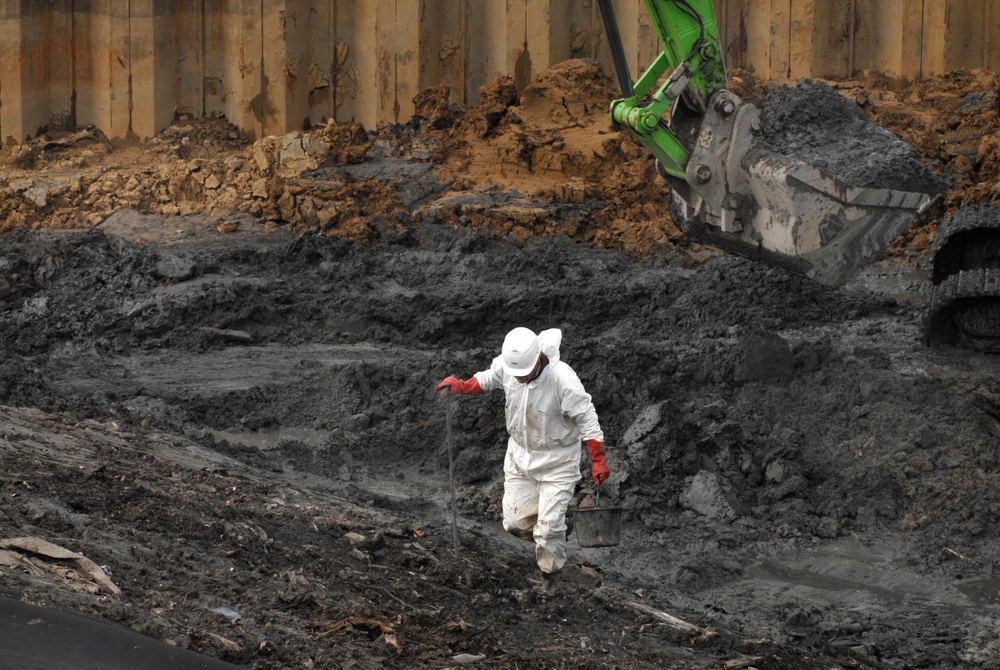
If asbestos is suspected, it must be checked and handled properly before demolition begins. Older homes in NSW may contain asbestos materials, especially in walls, roofing, eaves, and other building products.
Asbestos must never be treated as a minor issue. It needs proper management before demolition work proceeds.
How long does demolition preparation take?
Preparation time depends on approvals, service disconnections, site access, and any hazard checks required. Some projects are ready quickly, while others need more lead time.
The main factors that affect timing are:
- Council or certifier processing.
- Utility disconnection schedules.
- Asbestos assessment and removal.
- Site access and traffic arrangements.
Planning ahead helps reduce waiting time and keeps the job moving once the demolition team is ready to start.
Why is demolition waste management important?
Demolition waste management is the process of sorting, removing, transporting, and disposing of materials from a demolition site safely and compliantly. It helps keep the site tidy and supports responsible disposal.
Good waste handling can include:
- Separating recyclable materials.
- Removing general waste promptly.
It is a practical part of the demolition process, not an afterthought.
FAQs
Do I need approval for house demolition in NSW?
Yes, most house demolition projects require approval before work can begin. The exact approval depends on the property and planning rules that apply.
What utilities must be disconnected first?
Water, gas, and electricity should all be disconnected before demolition starts. Any other active services should also be checked and isolated if needed.
Do I have to remove everything from the house?
Yes, the house should be cleared of personal belongings, valuables, and loose items before demolition day. Anything left behind may be damaged or create a hazard.
Should I notify neighbours before demolition?
Yes, it is good practice to give neighbours a courtesy heads-up. This helps prepare them for noise, dust, and vehicle movements.
What happens if asbestos is found?
If asbestos is found or suspected, it must be managed by the correct licensed process before demolition continues. It should never be left untreated or disturbed without proper controls.
Why choose Riverina Demolition?
At Riverina Demolition, we help property owners, managers, and builders prepare residential sites the right way before residential demolition NSW begins.
If you need clear advice on house demolition NSW, contact us to discuss your project and get practical support before work starts.



Leave A Comment